
Decoding Structured Products: Visual Tips for Young, Modern Investors

May 7, 2026

How do you explain a structured product to someone who grew up reading a feed, not a prospectus?
The next generation of high-net-worth investors (HNWI) arrives informed, impatient with jargon, and fluent in visual information. With these younger folks, dense documentation and technical mechanics almost always fail in communicating investment concepts because archaic industry formats don’t keep pace with how they consume content.
So, how then does one get the message across?
From: Term Sheets in Alien Language
Structured products carry real complexity, containing the likes of layered pay-off conditions, embedded optionality, and scenario-dependent outcomes, to name a few.
Explaining these concepts clearly enough for a first-time, young investor to make a genuinely informed decision takes time, often more than a single client conversation allows.
Incomplete comprehension leads to fragile confidence, which, in turn, either stalls decisions or, worse, results in poorly understood ones.
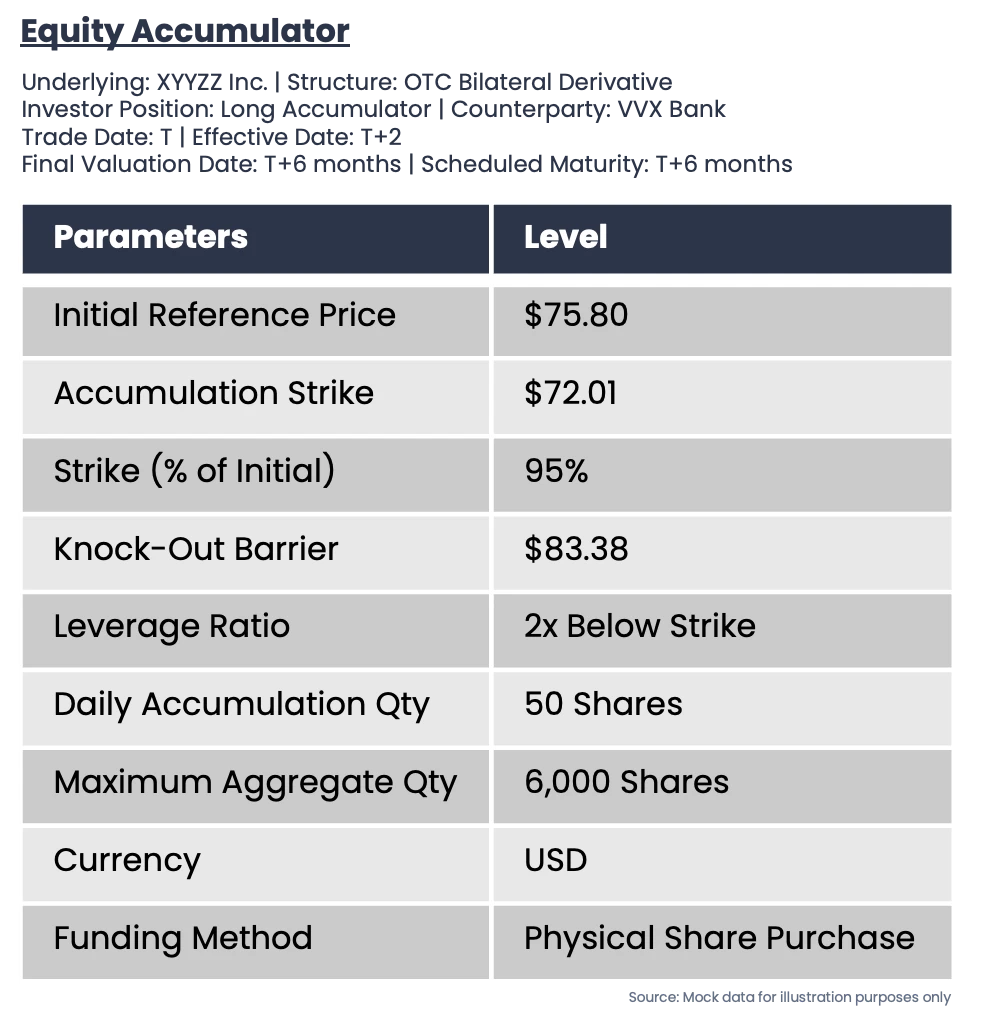
To: Gen-Z Friendly Lingo
Reframing a structured product through a visual scenario illustration makes the terms legible.
A younger HNWI who can immediately see what happens to their capital under three market conditions, expressed in language they typically use, is better positioned to make a considered decision than one who has been handed a term sheet and asked to trust the footnotes.
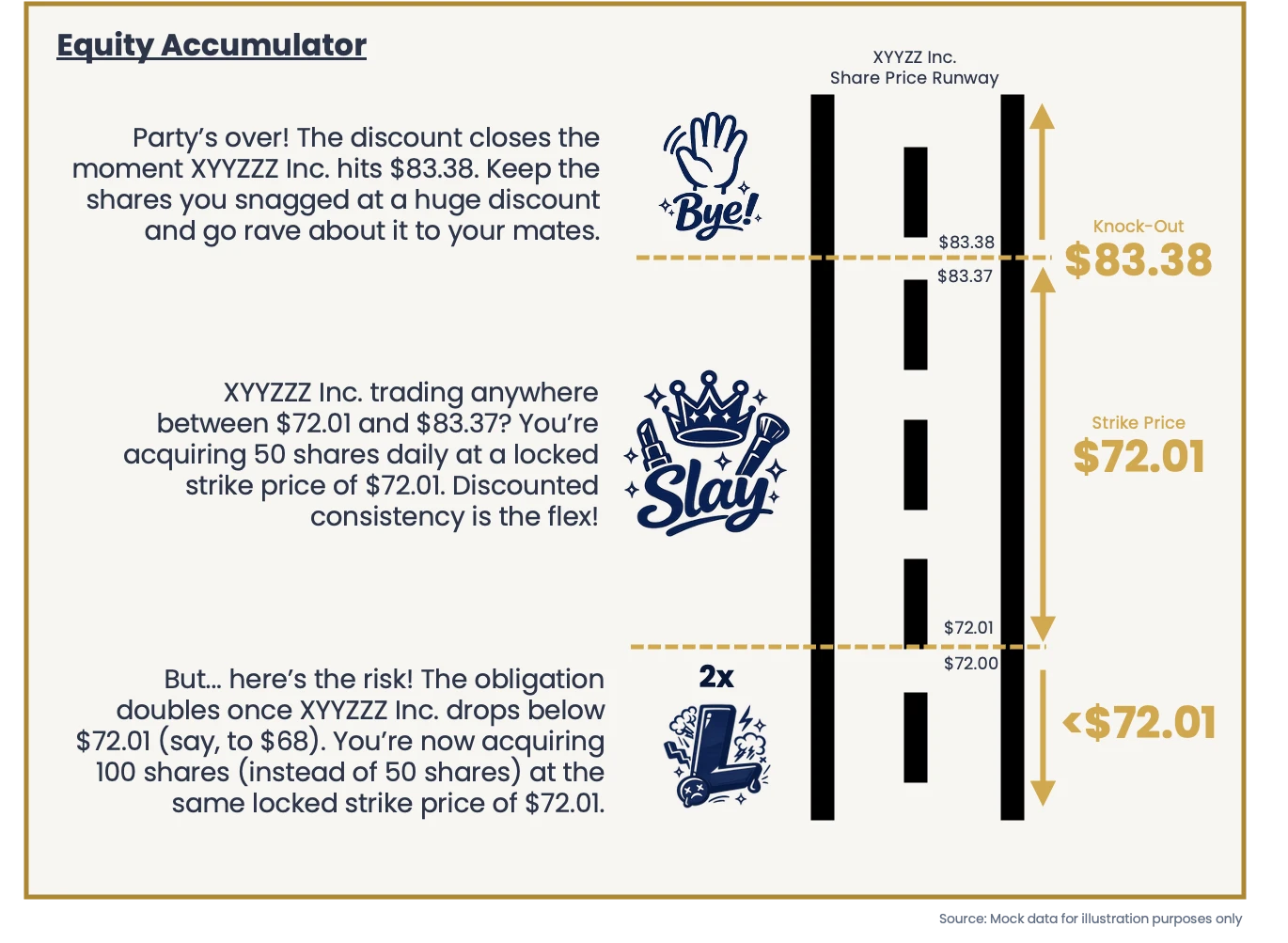
The Communication Imperative
Clarity is the standard this new generation expects, and the bar wealth managers need to clear to earn their trust.
Engagement and Creative Interpretation
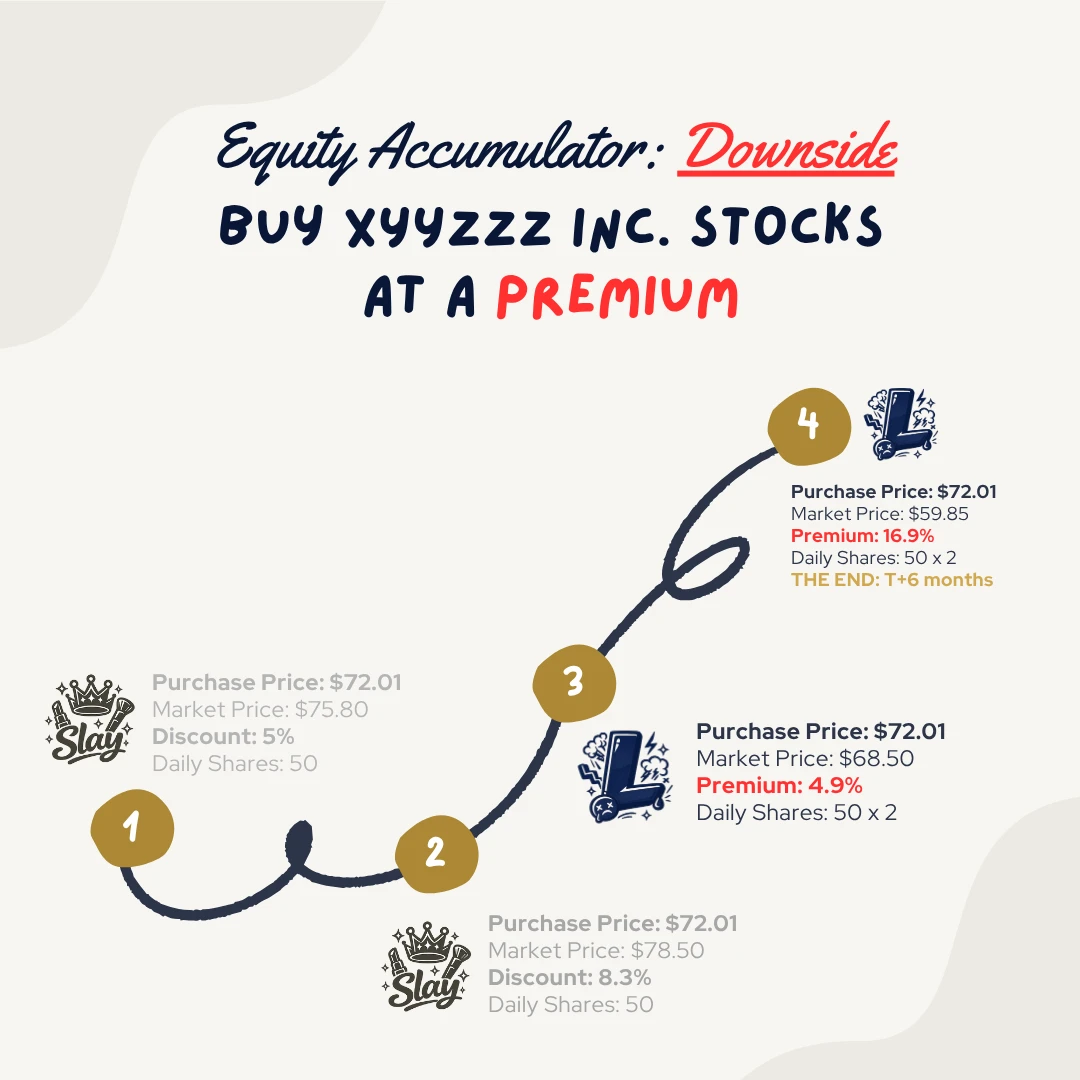
Improving the odds: A set of mobile-friendly infographics shared ahead of time by a wealth manager to a young client could also do the work of capturing interest before a word is spoken at a meeting.

+++